

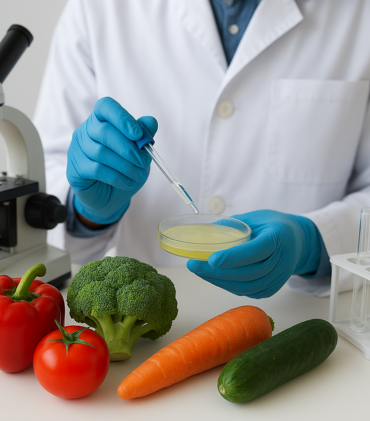
Shelf life testing is an important step before the launch of a new product or modifying an existing one. Shelf life of food is the time period in which the food product is safe to consume and has acceptable sensory characteristics. For example, 'best before' or 'use by date'. It is important to do shelf life analysis before the launch of a new product or modifying an existing one.
Shelf life determination aids in product design, formulation change, packaging & storage change
Many factors must be considered when designing a shelf-life study. Among these are: temperature, water content, time, types of microorganisms, packaging, product's composition, suitability of analyses, sampling and replication. Shelf-life studies for each product should be designed specifically for that product because of the number of variables that must be considered.
The influences of atmosphere, temperature, water, pH, preservatives and nutrients on the microbial growth are easily measured. Colecting sufficient data makes it possible to derive a mathematical equation of growth. This could allow a quick estimation of shelf life by plugging the required variables for the food into the equation.
Accurate prediction of shelf life necessitates a carefully planned and executed series of experimental studies. The knowledge gained from these studies reliably promotes confidence that the product delivered to the customer is safe and of high quality.
Milk, Milk Powder, Condensed milk, Curd, Cheese, Ice cream, Butter milk, Dairy based desserts/ confectionaries, Khoya, Paneer, Cream, Malai, Infant milk food, Milk based complementary food, Malted milk foods, Infant formula and other dairy products, milk derivatives such as whey proteins, casein, lactose etc.;
All edible Nuts – Almonds, Cashew, Walnut, Peanut, Areca nuts, Dry fruit mix and other nut products
Apples, Orange, Guava, Grapes, Mango, Pineapple, William Pears, Plums, Banana, Tomatoes, Lemons, like fresh fruits etc. Fruit juices, Nectar, Pickles, Tomato Sauce, Culinary Pastes / Fruits and Vegetable Sauces, Soya Sauce, Jams, Jellies, fruit cheese, Dehydrated fruits, Dehydrated Vegetables.
Butter, Ghee, Butter oil, Tallow, Coconut oil, Cottonseed oil, Groundnut oil, Sesame oil, Olive oil, Soya bean oil, Mustard oil, Almond oil, Palm oil, Sunflower seed oil, Rice bran oil, linseed oil, Corn oil and other products.
Tea, Green Tea, Instant Tea, Coffee, Instant Coffee, Cocoa powder, chicory powder and other products
Chillies, Coriander, Turmeric, Cardamom, Pepper, Asafoetida, Cinnamon, nutmeg, Poppy seed, Cloves, Ginger, Mustard, Star aniseed, saffron, Garlic, Fennel, Cumin, Caraway, Curry masala, Mixed masala, Masala Powder and other products
All food grains (whole, split or ground (raw and processed)). Flour and flour based products, Macaroni, Noodles and Vermicelli, Custard powder, Malt and Malted products, Sago and other products.
Biscuits, Bread, Brownie, cake, Muffins, Pastries, Pies, Toast, Chocolates, Candy, Lozenges, Sweets and other confectionaries.
Edible common salt, Iodised salt, Refined Iodized salt, Vacuum evaporated salt and Rock salt.
Refined sugar, Icing sugar, Plantation white sugar, Palm sugar, Jaggery, Palm Jaggery, Misri, Honey, Golden syrup
Shrimps, Prawns, Lobsters, Crustaceans, Squid and parts of squid, Fish and Frozen fish, Salted f ish/dried salted fish, Canned fish/ shrimps/crustaceans/ Tuna, Cattle, Octopus, Squid and other products.
Fresh and Frozen poultry meat, Beef, Mutton, Buffalo meat and other meat and meat products
Raw egg, whole egg powder, Egg white powder, Egg yolk powder
Ready to eat Foods – Roasted nuts, Namkeen, Chips, Burger, Sandwich, pizza, Popcorn, Gulab Jammon mix and other instant mixes.
Animal Nutrition Supplements, Cattle feed, Cotton seed cake, Fish, Shrimps, Prawn feed, Pet Foods, Oil Cake and Rapeseed Meal
